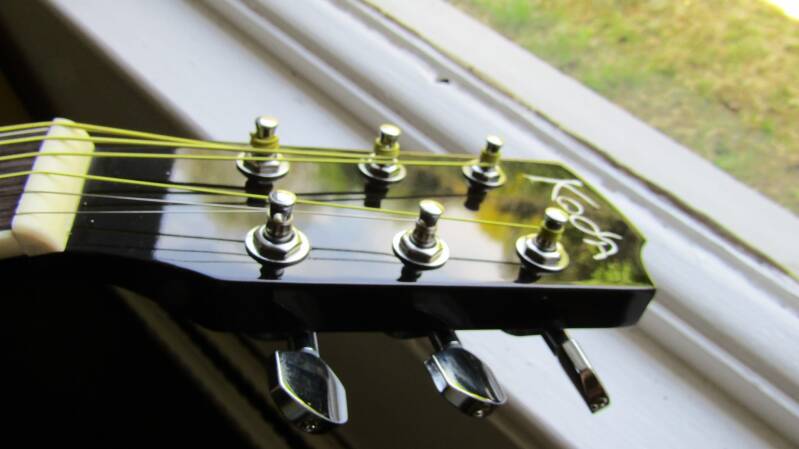
One of my most recent projects focused on photography as a way of exploring perspective, composition, and the visual communication of form. As a product design student, I'm particularly interested in how objects are perceived, not just in terms of function but also in how they are presented. This project gave me the opportunity to step slightly outside of traditional CAD work and engage with design from a more observational and artistic point of view.
The aim of the project was to experiment with capturing a single object from a variety of angles, studying how each perspective could change its visual impact. I wanted to understand how different viewpoints could highlight specific features, alter proportions, and even influence the mood or message of an image. Instead of treating photography as simple documentation, I approached it as a design exercise in its own right.
Having recently bought a guitar, I chose it as the subject of this exploration. The guitar offered a strong combination of organic curves, fine details, and contrasting materials, making it ideal for experimentation. Its shape is instantly recognizable, yet it also contains subtle design elements that can easily be overlooked unless carefully observed. This made it a perfect object for studying how angle and composition can reveal or conceal certain aspects of a design.

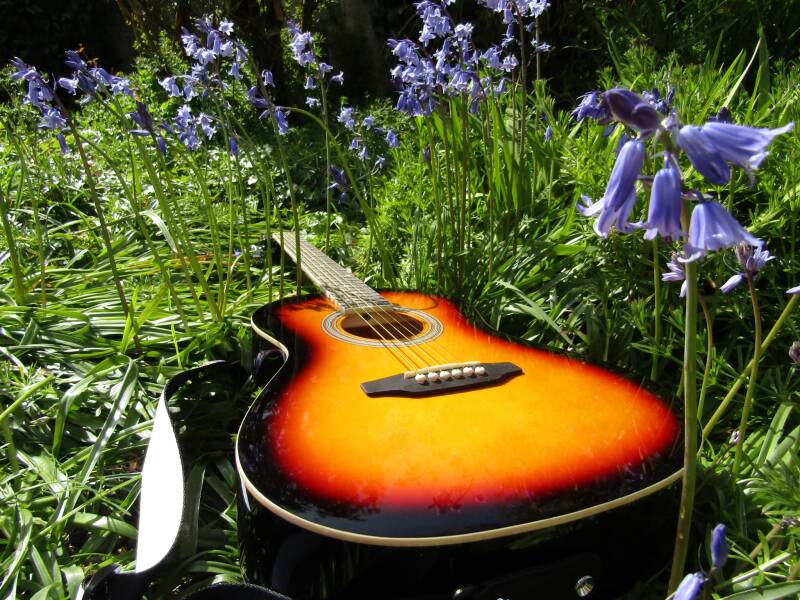
I began with more standard shots to establish a baseline, photographing the guitar from front-facing and side angles. From there, I gradually started to experiment with more dynamic perspectives. I explored close-up shots that focused on textures such as the strings, wood grain, and tuning pegs, as well as more dramatic angles taken from above or below the instrument. These perspectives allowed me to exaggerate certain features and create a stronger sense of depth.
Lighting also played a significant role in the project. By adjusting natural and artificial light sources, I was able to create different moods and highlight particular elements of the guitar's form. Shadows helped define its contours, while reflections added another layer of visual interest. I found that even small changes in lighting could dramatically alter the final image, reinforcing the importance of careful setup and attention to detail.
Through this process, I developed a deeper understanding of how presentation influences perception. The same object could appear sleek and refined in one image, or bold and dramatic in another, simply based on angle and lighting. This directly relates to product design, where showing a product effectively is essential in communicating its value and functionality.
Overall, this project strengthened my ability to think critically about composition and visual storytelling. It encouraged me to look more closely at the objects I design and consider not just how they function, but how they are experienced visually.